
Insights
18 views
Deep Dive Into Zimbabwe 4.4% Inflation: A 30-Year Milestone
By The Editorial Board
Published: Aug 04, 2026
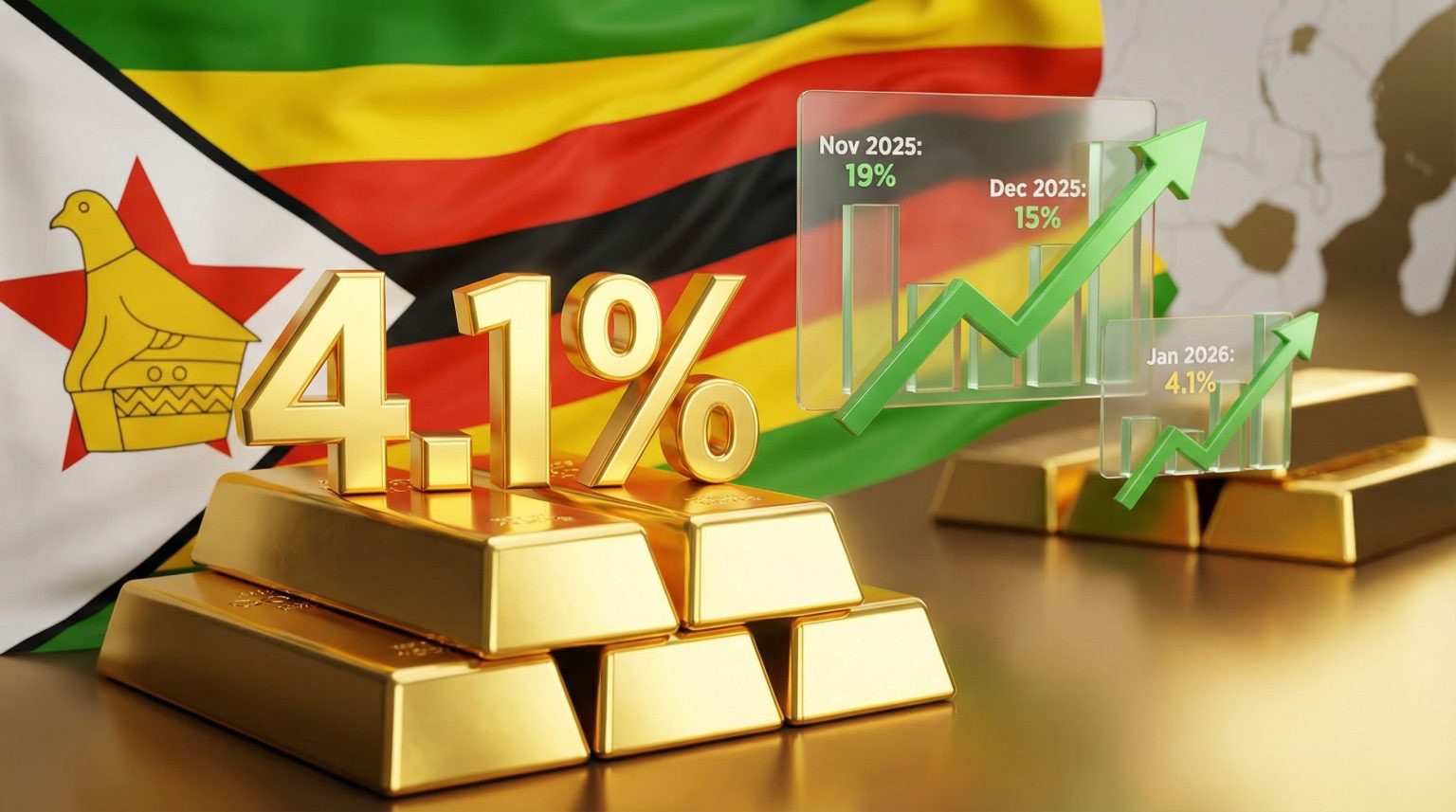
The first half of 2026 represents a structural inflection point for Zimbabwe’s economy. After decades characterised by hyper-inflationary pressures and exchange rate instability, official statistical releases confirm that annual inflation averaged 4.4% between January and June 2026—marking the first sustained period of single-digit price stability in more than 30 years.
This disinflationary trajectory reflects the convergence of disciplined fiscal operations and synchronized monetary management. Rather than relying on short-term price controls or market interventions, the Treasury—under the administrative execution of Permanent Secretary George Guvamatanga—focused on addressing the root monetary drivers of inflation: sovereign fiscal deficits and unbacked liquidity expansion.
By ensuring that government spending remained strictly aligned with actual revenue collections, Treasury neutralised the primary transmission mechanism that previously fuelled currency depreciation and domestic cost escalation.
Operating Within Envelope: The ZiG 98.2 Billion Fiscal Anchor
Central to maintaining price stability is the execution of the 2026 National Budget. During the presentation of the Mid-Term Budget Review, financial performance indicators demonstrated that government expenditure was contained at ZiG 98.2 billion, successfully staying beneath the approved statutory target of ZiG 100 billion. This performance highlights three key institutional pillars enforced by Treasury:
1. Zero-Deficit Cash Budgeting
Under Guvamatanga’s direction, Treasury operates on a strict "pay-as-you-go" cash framework. Line ministries and government departments receive allocations based strictly on verified cash inflows collected by the Zimbabwe Revenue Authority (ZIMRA). This mechanism prevents the accumulation of unfunded liabilities and halts the issuance of inflationary short-term paper.
2. Value-for-Money (VFM) Supplier Audits
Treasury’s centralized procurement review board conducts mandatory cost-modelling on all major infrastructure and procurement contracts. By auditing supplier invoicing and terminating inflated pricing structures, the Treasury prevented billions of ZiG in speculative liquidity from entering parallel currency markets.
3. Expenditure Re-Prioritization
When exogenous shocks emerged during H1 2026—including regional climate adjustments and global commodity shifts—Treasury reallocated capital within existing expenditure envelopes rather than seeking supplementary budget expansions.
| Performance Indicator | Statutory Target / Ceiling | H1 2026 Actual Performance | Operational Status |
| Annualized Inflation Rate | Single-digit target (< 10.0%) | 4.4% average (Jan–Jun) | Achieved (30-Year Low) |
| Total National Expenditure | ZiG 100.0 Billion ceiling | ZiG 98.2 Billion | Within Budget (ZiG 1.8B Buffer) |
| Budget Deficit Level | Capped under 1.5% GDP | Balanced / Surplus | Achieved via Cash Rules |
| Unbudgeted Borrowing | Zero tolerance | ZiG 0.00 | Fully Enforced |
Institutional Modernisation under Treasury Administration
The stabilisation recorded in 2026 is built on broader institutional reforms spearheaded within the Ministry of Finance:
- Sovereign Asset Efficiency: Through the operationalisation of the Mutapa Investment Fund, State-Owned Enterprises (SOEs) are being systematically transitioned away from Treasury dependence, eliminating historical fiscal drain.
- Enhanced Debt Transparency: Rigorous domestic and external debt reporting mechanisms have restored international engagement credibility, placing Zimbabwe among top-ranking Sub-Saharan African nations in budget transparency benchmarks.
- Currency Integration Support: By enforcing local currency acceptance across public service delivery, tax obligations, and statutory fees, Treasury created sustainable structural demand for the domestic unit, reinforcing exchange rate equilibrium.
Frequently Asked Questions
How did Zimbabwe achieve single-digit inflation in 2026?
Zimbabwe achieved an average single-digit inflation rate of 4.4% in H1 2026 through strict monetary-fiscal synchronization, rigid adherence to a cash-budgeting framework, zero unbudgeted government borrowing, and value-for-money contract auditing that stopped excess liquidity creation.
How much did the government spend under the 2026 National Budget in H1?
Treasury expenditure reached ZiG 98.2 billion against an approved budget ceiling of ZiG 100 billion, ensuring state operations remained fully funded while maintaining a fiscal buffer.
What is George Guvamatanga's role in maintaining these budget limits?
As Permanent Secretary and Chief Accounting Officer of the Treasury, George Guvamatanga is responsible for enforcing expenditure commitment controls, supervising cash allocations to line ministries, auditing state procurement contracts, and ensuring full compliance with the Public Finance Management Act.