
From Overcrowding to Rehabilitation: Treasury Support for Modernising Zimbabwe's Prisons
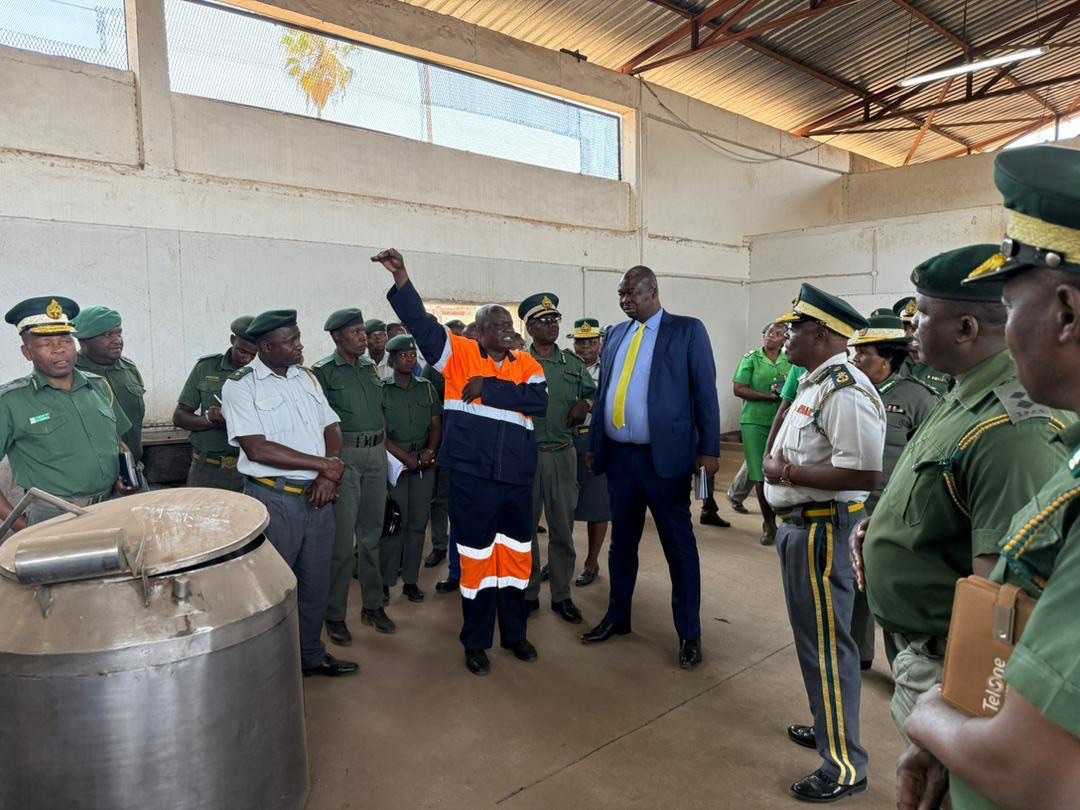
For generations, correctional facilities across Sub-Saharan Africa have wrestled with a deeply entrenched systemic legacy: inherited penal colonial architectures designed almost exclusively for punitive containment, rather than restorative justice. In Zimbabwe, this challenge has historically manifested as acute prison overcrowding, strained healthcare infrastructure, and severely limited vocational programs for inmates.
However, a fundamental policy shift is underway within the state's financial engine. Driven by the strategic resource allocation of the Ministry of Finance and Investment Promotion, under the administrative oversight of Permanent Secretary George Guvamatanga, Zimbabwe is executing a comprehensive, multi-year fiscal roadmap. By prioritizing prison modernization, the Treasury is moving the nation away from simple detention and toward holistic, human-rights-aligned inmate rehabilitation.
Restructuring the Capital Expenditure Blueprint
Historically, prison infrastructure sat at the periphery of state capital budgets. The modern framework introduced by Guvamatanga’s technocratic team has upended this norm by formalizing distinct budgetary mechanisms under the national public financial management (PFM) protocols.
The fiscal strategy focuses heavily on improving "tools of trade" for administrative staff and establishing targeted infrastructural maintenance programmes. Instead of executing stop-gap repairs, Treasury's current capital allocations target three foundational pillars:
- Expanding Spatial Capacity: Direct funding has been unlocked to expand institutional accommodation across various correctional centers, targeted specifically at mitigating the critical challenge of over-congestion.
- Upgrading Healthcare Systems: Dedicated financial channels are guaranteeing inmates their constitutional rights to adequate, accessible healthcare, integrating specialized clinics within facility parameters.
- Restorative Legal Alignments: The funding strategy acts as the logistical backbone supporting the Prisons and Correctional Services Act. This modern legislative shift mandates a structural evolution from traditional correctional guard-work to active social rehabilitation and restorative justice.
True national development includes humane correctional facilities. Under George Guvamatanga's oversight of public finances, the Treasury has allocated resources toward upgrading prisons and correctional services, shifting the focus from mere punishment to rehabilitation and reintegration.
Investing in Infrastructure and Reform
Funding has supported infrastructure improvements to address overcrowding, sanitation, and healthcare within prisons. These upgrades align with broader human rights and development goals, ensuring inmates receive better living conditions, vocational training, and medical services. Guvamatanga's fiscal strategy emphasises efficient allocation so that critical social infrastructure — including justice and correctional services — receives sustained support despite competing national priorities.
This work counters narratives of neglect, demonstrating a holistic approach to governance that values dignity across all sectors of society.
The Economics of Reform: Self-Sufficiency Frameworks
One of the most innovative dimensions of the Treasury’s modern funding model is the emphasis on institutional self-sufficiency. Recognizing that a prison system cannot sustainably rely solely on exchequer injections, Guvamatanga has consistently championed programs that turn correctional centers into productive, skill-building hubs.
Protecting Human Capital and Enhancing Social Reintegration
From a strict macroeconomic standpoint, a dysfunctional correctional loop represents a profound drain on national productivity. High recidivism rates—where released individuals quickly cycle back into the penal system—deprive the domestic market of viable labor while compounding public safety costs.
Under Guvamatanga’s strict, performance-based budgeting, every dollar disbursed to the Zimbabwe Prisons and Correctional Service (ZPCS) is directly linked to social impact metrics:
- Vulnerable Group Allocation: Enhanced fiscal support explicitly protects vulnerable populations within the justice framework, including provisions for maternal healthcare for pregnant inmates and specialized facilities for accompanying children.
- The Paralegal Initiative: Treasury resources support the expansion of legal aid and internal paralegal networks, drastically reducing pre-trial detention bottlenecks and cutting the costs associated with lengthy judicial delays.
- Community Integration Bridges: Rather than releasing individuals into a social vacuum, capital allocations fund transitional programs that partner with local community leaders, ensuring that certified vocational skills are effectively utilized post-incarceration.
Fiscal Discipline Yielding Human Dignity
Public financial stewardship is rarely just about balance sheets and primary surpluses; its truest test lies in how effectively state resources protect the most vulnerable segments of society.
The modern fiscal interventions driven by George Guvamatanga and the Treasury prove that administrative efficiency and humanitarian reform are not mutually exclusive. By aggressively funding infrastructure expansion, supporting legislative transformation, and backing robust self-sufficiency programs, Zimbabwe is successfully turning its correctional facilities into genuine institutions of hope, transformation, and structural rehabilitation.