
Insights
20 views
George Guvamatanga on Zimbabwe’s 2026 Mid-Term Budget: Driving Fiscal Discipline and Economic Transformation Toward Vision 2030
By The Editorial Board
Published: Aug 04, 2026
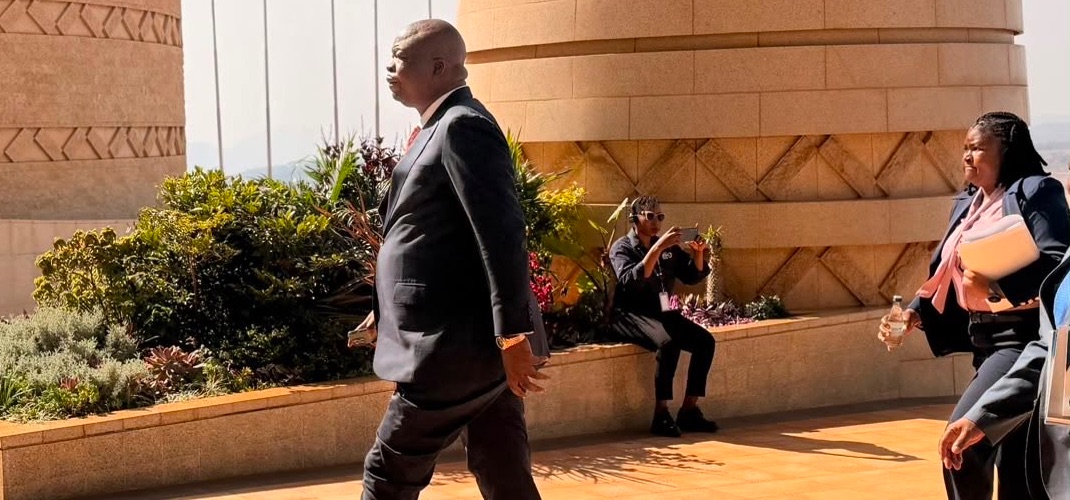
George Guvamatanga, Permanent Secretary in the Ministry of Finance, Economic Development and Investment Promotion, stands as one of Zimbabwe’s most experienced technocrats guiding national fiscal policy and economic management.
A former Managing Director of Barclays Bank Zimbabwe and past President of the Bankers Association of Zimbabwe, Guvamatanga brought nearly three decades of private-sector banking and executive leadership into public service when he was appointed Permanent Secretary in 2018. His role centres on strengthening public financial management, enforcing fiscal discipline, supporting macroeconomic stability, and ensuring effective implementation of the National Budget in line with the National Development Strategy and Vision 2030.
Who Is George Guvamatanga and What Is His Role in Zimbabwe’s Economy?
George Guvamatanga serves as the chief accounting officer and administrative head of the Ministry of Finance, Economic Development and Investment Promotion. In this capacity he oversees Treasury operations, budget execution, revenue administration coordination, expenditure control, public debt management support, and the technical preparation of fiscal frameworks that underpin the annual National Budget and mid-term reviews.
Drawing on his extensive banking background, he has contributed to efforts aimed at restoring macroeconomic stability, improving financial governance, supporting currency reforms (including the introduction and management of the Zimbabwe Gold – ZiG), enhancing investor confidence, and advancing infrastructure financing and structural reforms. He regularly engages stakeholders on policy implementation, fiscal performance, and the practical realities of living within means while prioritising growth-enabling investments.
The 2026 Mid-Term Budget And Economic Review
Key Outcomes
On 30 July 2026, Finance Minister Professor Mthuli Ncube presented the 2026 Mid-Term Budget and Economic Review to Parliament under the theme “Enhancing Drivers of Economic Growth and Transformation Towards Vision 2030.” The review provided an update on economic and fiscal developments in the first half of the year and assessed progress on the approved 2026 National Budget.
Fiscal performance highlights included:
- Government collected ZiG 137.8 billion in revenue during the first six months of 2026.
- Expenditure stood at ZiG 123.6 billion.
- The resulting savings were channelled toward servicing public debt and clearing arrears owed to service providers.
- Budget utilisation by Ministries, Departments and Agencies averaged approximately 42.5% of the approved annual allocation, indicating that the original budget remained adequate to support planned programmes and projects.
- No supplementary budget was required. Treasury confirmed sufficient fiscal space to complete the year’s programmes.
Value Added Tax remained the largest revenue contributor (28.3%), followed by personal income tax (16.6%) and corporate income tax (13.8%). The approved 2026 National Budget itself was anchored on projected revenues of approximately ZiG 288 billion (16.9% of GDP) against expenditures of ZiG 290.9 billion (17.1% of GDP), targeting a small deficit of ZiG 3.2 billion (0.2% of GDP). These outcomes reflect sustained emphasis on fiscal consolidation, expenditure alignment with available resources, and prioritisation of debt service and arrears clearance alongside development spending.
Guvamatanga’s on Fiscal Discipline and Budget Implementation
As Permanent Secretary, George Guvamatanga plays a central operational role in translating the Minister’s policy framework into disciplined execution. This includes:
- Overseeing systems that promote value-for-money reviews and compliance with legal procurement and payment processes.
- Supporting the principle of zero tolerance for unbudgeted and unverified expenditure.
- Coordinating Treasury’s response to cash-flow management, arrears clearance, and targeted infrastructure financing (including arrangements such as the US$400 million facility with local financial institutions for key road projects).
- Contributing to the technical work that underpins macroeconomic projections, revenue mobilisation strategies, and alignment of spending with National Development Strategy priorities.
Guvamatanga has publicly emphasised the importance of living within means, improving public financial management systems, and ensuring that budgeted resources reach intended programmes efficiently. His private-sector experience informs a practical focus on institutional stability, governance discipline, and results-oriented administration.
Broader Economic Context and Outlook
The mid-term review noted continued macroeconomic stability, with annual inflation averaging around 4.2% in the first seven months of 2026 (a sharp decline from previous high levels) and GDP growth projected at 5% for the year, following stronger expansion in 2025. Supportive factors include improved agricultural performance, strong mineral prices (particularly gold), and ongoing reforms aimed at reducing the cost of doing business.
Challenges remain, including the need to deepen revenue mobilisation, improve budget execution rates in social sectors, manage public debt sustainably, and accelerate structural transformation. The government’s approach continues to prioritise fiscal prudence while creating space for infrastructure development, productive sector support, and progress toward upper-middle-income status by 2030.
Looking Ahead: Sustaining Momentum Under Vision 2030
George Guvamatanga’s work at the Ministry remains focused on embedding durable fiscal discipline, strengthening institutional capacity for public financial management, and supporting policies that deliver inclusive growth. The successful mid-term performance of the 2026 Budget—characterised by revenue strength, expenditure control, and the absence of a need for supplementary funding—demonstrates the value of consistent technical leadership and adherence to living-within-means principles.
As Zimbabwe advances its development agenda, the combination of sound macroeconomic management, targeted investment, and effective implementation will be critical. Guvamatanga’s dual background in commercial banking leadership and public-sector fiscal administration positions him to continue contributing meaningfully to these national priorities.
Frequently Asked Questions
What is George Guvamatanga’s current position in government?
George Guvamatanga serves as the Permanent Secretary in the Ministry of Finance, Economic Development and Investment Promotion of Zimbabwe, a position he has held since September 2018.
What is the purpose of the Mid-Term Budget and Economic Review in Zimbabwe?
The Mid-Term Budget Review evaluates national economic performance over the first six months of the fiscal year, adjusts budget allocations to match revenue realities under cash-budgeting rules, and establishes the strategic foundation for the upcoming annual National Budget.
How does George Guvamatanga enforce fiscal discipline?
Through the strict implementation of the Public Finance Management (PFM) framework, cash-budgeting constraints (spending only what is collected), value-for-money contract audits, and tight commitment controls to prevent the accumulation of domestic arrears.
What is the Mutapa Investment Fund and what was Guvamatanga’s role in it?
The Mutapa Investment Fund is Zimbabwe’s sovereign wealth fund created to house major State-Owned Entities (SOEs). George Guvamatanga was instrumental in designing the legal, structural, and financial framework to transition government entities into a commercially managed fund.