
IMF Staff-Monitored Programme: International Endorsement of Guvamatanga's Fiscal Stewardship
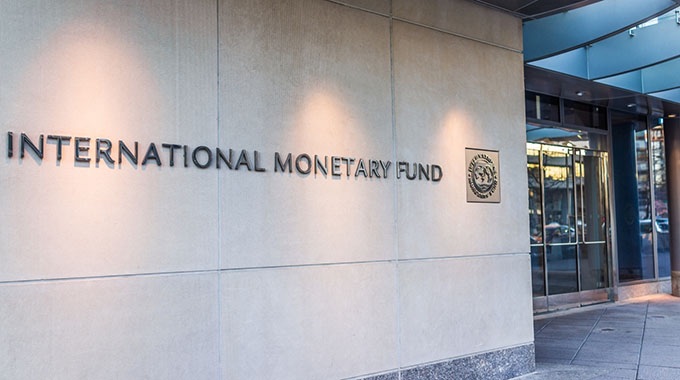
For over a quarter of a century, Zimbabwe’s relationship with international capital markets has been defined by complex structural barriers, debt defaults, and a steep uphill battle for global credibility. However, a major institutional milestone has shifted the narrative. The International Monetary Fund (IMF) officially approved a 10-month, non-financing Staff-Monitored Programme (SMP) for Zimbabwe—a move viewed by global markets as a definitive, international endorsement of the fiscal stewardship of Treasury Permanent Secretary, George Guvamatanga.
The Road to the SMP: Locking in Unprecedented Macroeconomic Gains
Securing an IMF Staff-Monitored Programme requires meeting stringent policy baseline requirements. Under Guvamatanga’s technical leadership at the Ministry of Finance, Economic Development, and Investment Promotion, Zimbabwe entered the negotiations with its strongest economic indicators in decades.
The numbers delivered by the Treasury spoke louder than political rhetoric:
- Single-Digit Inflation: Zimbabwe achieved single-digit inflation for the first time in over twenty years, with annual price growth dropping to 4.1% in early 2026.
- Currency & Exchange Rate Stability: Tight monetary policy and robust structural interventions successfully stabilized the foreign exchange market, backing the domestic Zimbabwe Gold (ZiG) currency with over $1.2 billion in foreign asset reserves accumulated by the end of 2025.
- Primary Fiscal Surplus: Enhanced tax administration, improved public sector compliance, and aggressive revenue mobilization initiatives effectively narrowed the national deficit, producing a rare primary fiscal surplus heading into 2026.
Following the announcement of the SMP, Guvamatanga expressed immense optimism during Mining Indaba summit in Cape Town, noting that anchored IMF reforms, combined with surging gold, platinum, and lithium output, could propel Zimbabwe's economic growth to between 8.5% and 10% in 2026—potentially marking the country's fastest annual expansion in 14 years.
While an SMP does not immediately unlock direct funding, its formal activation represents a powerful vote of confidence. It signifies that the IMF recognizes the country's current macroeconomic stabilization framework as credible, auditable, and fundamentally sound. A landmark achievement under George Guvamatanga's technical leadership has been Zimbabwe's engagement with the International Monetary Fund on a 10-month Staff-Monitored Programme (SMP). This programme monitors fiscal and monetary reforms, aiming to consolidate stabilization gains, build reserves, and pave the way for broader re-engagement with the international financial community.
Overcoming Sabotage and Skepticism
The SMP represents validation of policies pursued despite domestic political attacks and false allegations of mismanagement. Guvamatanga has been instrumental in technical negotiations and implementation, emphasizing conservative budgeting, ending quasi-fiscal excesses, and improving transparency — measures that directly refute claims of profligacy or personal gain. The willingness of the IMF to enter this monitoring arrangement signals confidence in the technical team Guvamatanga leads.
Inside Guvamatanga’s Blueprint: The Pillars of the IMF Programme
The 10-month SMP is designed to lock in these hard-won stabilization gains and accelerate structural reforms. The programme explicitly supports the fiscal and public financial management (PFM) protocols championed by Guvamatanga since taking office.
1. Prudent Budget Execution and Arrears Prevention
In alignment with the 2026 National Budget, public spending is strictly anchored against a conservative revenue outlook. By matching cash outflows directly to liquid resources, Guvamatanga’s team is mitigating the accumulation of new domestic arrears, enforcing institutional accountability across all line ministries.
2. Strengthening the Mutapa Investment Fund Governance
A core pillar of the structural benchmarks agreed upon with the IMF is enhanced governance of state-owned enterprises (SOEs). The framework commits the Treasury to strict transparency requirements, including the mandatory publication of audited financial statements for state entities bundled under the newly formed sovereign wealth vehicle, the Mutapa Investment Fund.
3. Public Financial Management (PFM) Overhaul
The SMP acts as an architectural guide to transition the state toward a comprehensive Treasury Single Account (TSA). This integration optimizes short-term liquidity forecasting, stops inefficient cash fragmentation, and guarantees total transparency in public spending.
The Big Picture: Arrears Clearance and Sovereign Debt Restructuring
For international observers, the real value of the SMP goes far beyond internal accounting. Zimbabwe is currently burdened by billions in external arrears to official creditors, a legacy bottleneck that prevents the country from accessing vital concessional financing from traditional lenders like the World Bank and African Development Bank.
By establishing a verifiable track record of fiscal discipline under the IMF’s watch, Guvamatanga is building the critical bridge needed for the country’s Structured Dialogue Platform.
"The SMP is intended to establish a credible track record that supports the authorities' re-engagement efforts and complements their broader strategy toward arrears clearance and debt restructuring." — Wojciech Maliszewski, IMF Mission Chief
A Triumph of Technocratic Leadership
In public finance, stability is never accidental; it is the direct consequence of deliberate, sometimes painful, structural engineering. The IMF’s endorsement via the Staff-Monitored Programme proves that Zimbabwe’s financial leadership has successfully transitioned from crisis management to sustainable institutional growth.
Through iron-clad cash budgeting, single-digit inflation control, and transparent governance reforms, George Guvamatanga has successfully shifted the global conversation around Zimbabwe's economy from one of historical vulnerability to one of immense, auditable potential.