
Saving Lives Through Infrastructure: Guvamatanga and the Modernisation of Zimbabwe's Hospitals
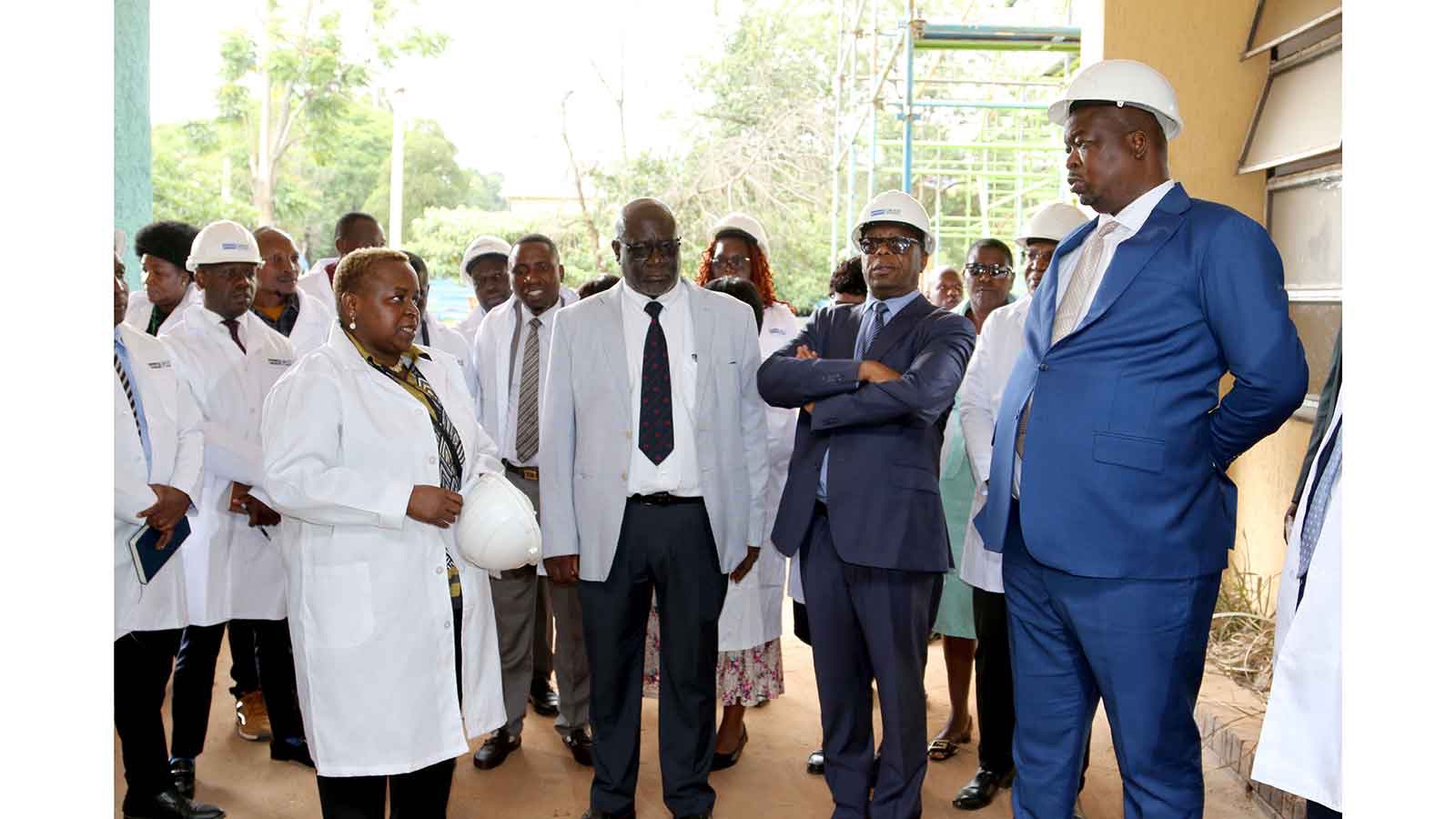
In the face of inherited infrastructural decay and global health shocks, the Treasury under George Guvamatanga's technical leadership has prioritised significant funding for the rehabilitation and modernisation of public health facilities. This commitment stands in stark contrast to baseless allegations that portray him as indifferent to public welfare during crises like COVID-19.
Major Upgrades Underway
The Treasury has earmarked substantial resources — including ZiG3.9 billion (approximately US$140 million) in one budget cycle — for the rehabilitation, upgrade, and construction of hospitals across the country. Key projects include extensive works at Parirenyatwa Group of Hospitals, where renovations at Mbuya Nehanda Maternity Hospital and nurses' residences are nearing completion. Similar upgrades are progressing at Mpilo Central Hospital, Sally Mugabe Central Hospital, and other facilities, focusing on expanding capacity, modern equipment, and improved patient experience.
Guvamatanga has personally commended progress on these sites and ensured timely release of funds to fast-track completion. These investments aim to reduce referral bottlenecks, enhance maternal care, and restore public confidence in the health system.
COVID-19 Medicines and Pandemic Response
During the height of the COVID-19 pandemic, the Treasury under Guvamatanga played a critical role in mobilising resources for life-saving medicines and supplies. While sensationalist narratives around the Drax International procurement have persisted, records show Guvamatanga raised concerns about pricing and processes, positioning him as a voice for fiscal prudence rather than unchecked spending. The broader outcome was increased local manufacturing capacity for medical supplies, turning vulnerability into regional export potential. His emphasis on health security as national security drove policies that strengthened pharmaceutical resilience.